
Consumers pay attention to new products for the first time based on their look and feel. After all, beautiful and thoughtful design appeals to the human intellect and is equally compelling to the human eye.
Creativity in design appeals to any product observer. A common theme between the several definitions of design is that all of them address the appearance of objects. Orit Afori remarked that the nature of designs pertains to the “external appearance of articles.” Because of the emphasis on a product’s appearance as the object of design, the design is a creation that is similar to artistic works in general, the boundary lines of which are difficult to draw. Nonetheless, the design is inherently different from pure imaginary work of art because it is also shaped by features arising out of function, technology, and fashion. Products may also be in the form of industrial design or ornamental design to be manufactured, bringing their registration and substantive requirements closer to the patent paradigm. Patent law is relevant to the design because of cases where aesthetic and utilitarian qualities blend, thereby resulting in an innovative technological idea for the function of the subject product.






In simpler words, unique and creative design is at the heart of new product development and business success. Design is an integral part of several industries, not merely limited to fashion apparel and footwear. Consumers do not solely focus on functionality, but also the aesthetics of the products. Consumers pay attention to new products for the first time based on its look and feel. After all, beautiful and thoughtful design appeals to the human intellect and is equally compelling to the human eye. That is an ascendant marketability notch in the global market of this day and age. As Fromer remarked, from Apple’s iPhone to Christian Louboutin footwear to Eames furniture, the design currently holds an increasingly important role in today’s culture and economy. The laws protecting design are just as compelling for different reasons. The design is only one of the different types of intellectual property protection that was conceived to promote creativity, innovation, and fair competition in the Intellectual Property domain.
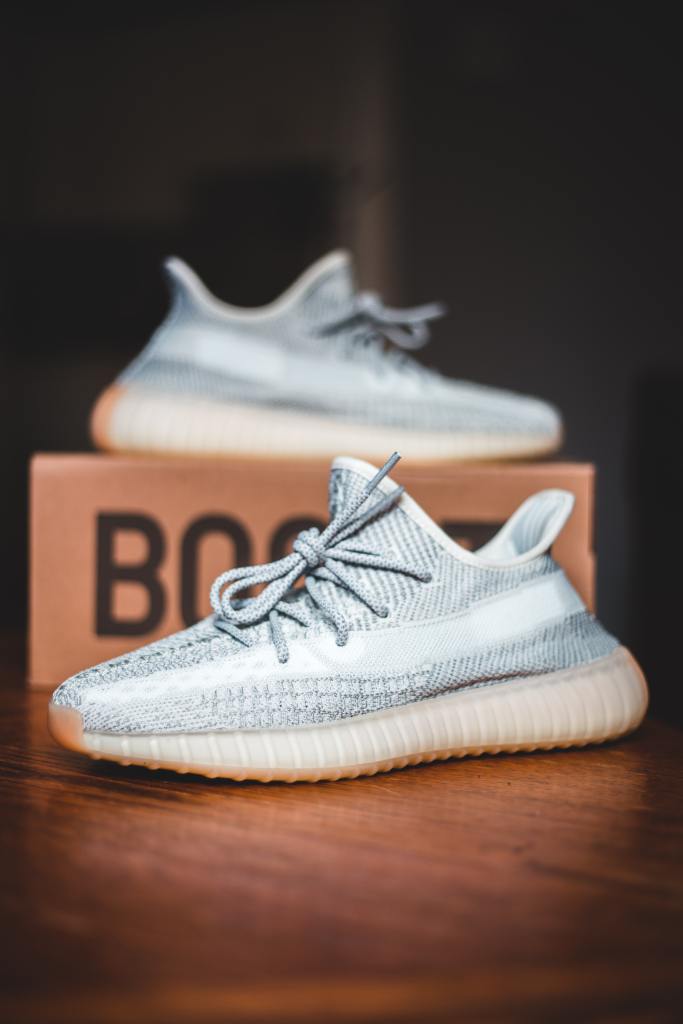
Several high-profile lawsuits suggest not only the existence but a stark rise of claims principally instigated and instituted because of infringement by design emulators. For instance, Puma filed a lawsuit against Forever 21, asserting design patent, trademark, and copyright infringement. According to Puma, Forever 21 replicated the same features of three footwear designs that it designed in collaboration with the singer, Rihanna, although one of the designs it claims is different. IP law offers intersecting forms for the protection of a design’s nonfunctional factors. The different types of design protection may generate complementary or cumulative economic effects. That is because each kind of protection can accord the claimant varying substantive rights with individually distinct remedies. Consequently, a viable legal strategy by disputing parties has been to protect design through patent, trademark, and copyright laws, cumulatively as well as substitutes.
The software industry is another good example in the current global market, which is often a subject of both utility patents as well as copyright protection in design infringement cases. Christopher Carani, a prominent IP lawyer, pointed out that the statutory functionality and claim construction functionality are discrete principles aimed at different objectives that have to be clearly defined for an effective and reliable design patent system. In a patent prosecution of a multicomponent product, Carani proposes evaluating the claim by assessing “whether the overall appearance is dictated by its function, not the functionality of individual elements of the claimed design.” He suggests that a prosecuting party should base its claim covering maximum grounds of functionality to hit a better chance at overcoming statutory functionality challenge. Concerning the construction of contention based on functionality, it is unnecessary to refer to the ornamental design approach because it is not sufficient to form a single identifiable element by itself in a claim. The remedy here is to provide explicit authority that design patents do not protect functional attributes, purposes, or characteristics of an article of manufacture. Instead, they only protect the overall appearance of the claimed design depicted in the drawings.

To illustrate the design functionality element within the realm of IP law, Apple Inc. v. Samsung Electronics. Co., Ltd. is a landmark case where Apple claimed the design patent infringement of its creation by Samsung. In this case, the issue presented before the court was whether a design patent infringement applies only to a specific component of a product. As such, damages for transgression should be limited to the portion of the infringer’s profit attributed to that component. The U.S. Supreme Court explicated in its unanimous opinion stating that patents cover both the end-product as well as an element of that product sold to a consumer. The apex court also removed any ambiguity by saying that the U.S. Court of Appeals for the Federal Circuit made a mistake in interpreting that phrase too narrowly in only referring to the end-product.
In the United States, the most common lawsuits involving functionality disputes emerge under trademark law, especially relating to claims of trade dress involving product shapes. Courts have regarded trade dress functionality as crucial for channeling certain types of innovation in the trademark regime as well as into the utility patent regime, where rights are of relatively short duration. Indeed, courts have been invoking trade dress functionality in several recent trade dress cases, although scholars continue to debate the parameters of functionality in the trademark landscape. In more recent Federal Circuit cases, courts have been considering the design as a whole in assessing functionality. Just as importantly, freedom in the competition is encouraged to design products that use the same utilitarian features, provided that they do not look substantially the same as the patented design.
 Art, Design, and Privacy